More
CRISPR & Gene Therapy for High School Students
Explore the Future of Medicine Through CRISPR & Gene Therapy | 10 Day Live Program
4.7
This Event Includes
- High demand video
- Learn from Experts
- Hands-on practical sessions
- Certificate on completion
Registration Fee |
|
In US $ |
275 |
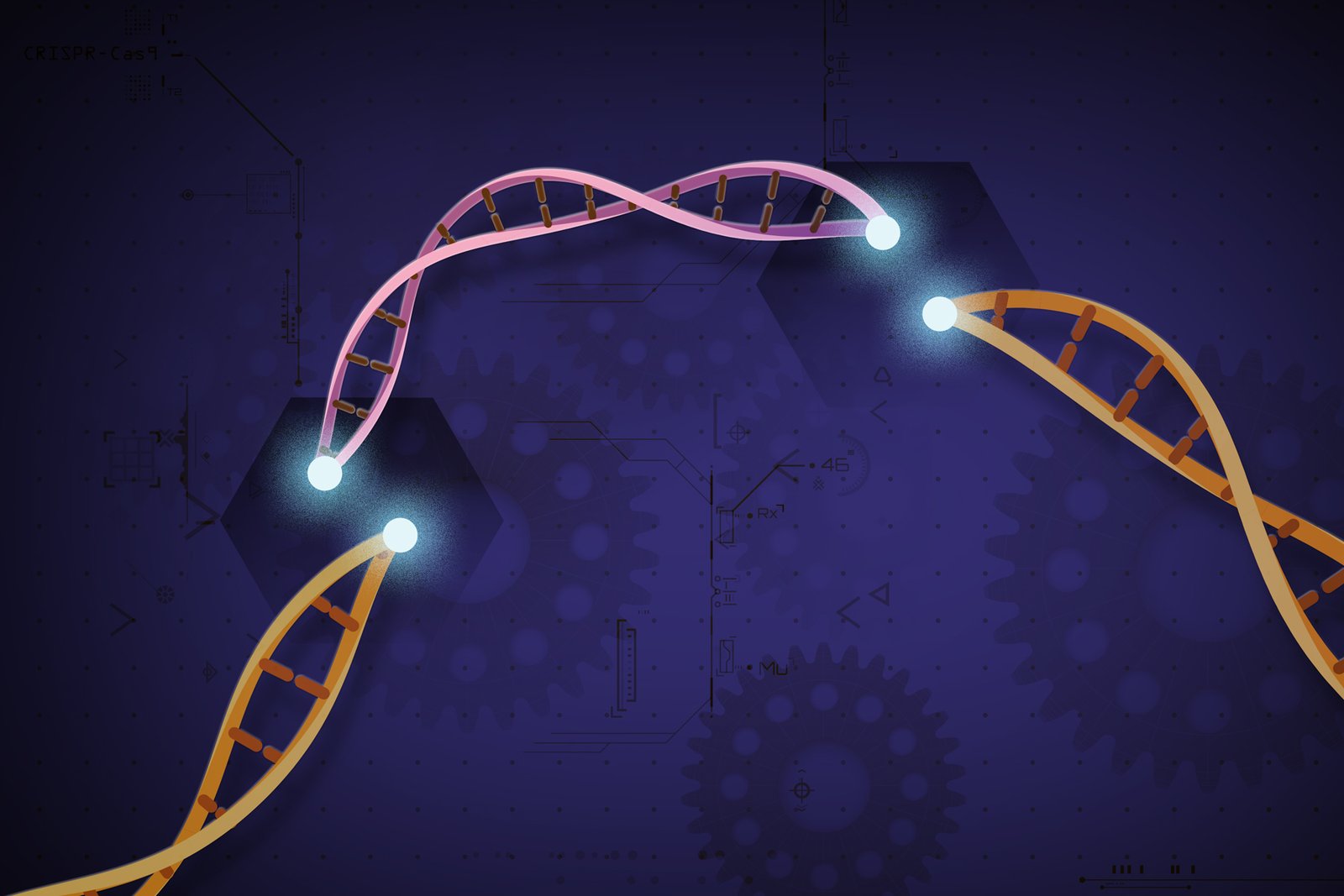
CRISPR is one of the most transformative scientific breakthroughs of the 21st century.
This revolutionary technology has changed the way scientists understand and modify genetic information, creating new possibilities in gene therapy, treatment of inherited disorders, cancer research, personalized medicine, agriculture, and biotechnology.
BDG Lifesciences' 10-Day CRISPR & Gene Therapy: Fundamentals to Computational Design program introduces high school students to the fascinating world of genome editing through live, instructor-led training. Designed for students interested in genetics, medicine, biotechnology, and future biomedical research, this program provides an early foundation in one of the most important technologies shaping the future of healthcare.
Unlike introductory courses that only explain what CRISPR is, this program takes students through the complete CRISPR research workflow—from understanding genes, genomes, and mutations to designing and evaluating CRISPR guide sequences using computational tools used by researchers worldwide.
Across ten interactive sessions conducted live through Zoom, students explore the biological principles behind CRISPR systems, the fundamentals of gene therapy, and the computational strategies scientists use to design safer and more effective genome editing approaches.
The program begins with the foundations of genetics and genome editing, including genes, genomes, mutations, CRISPR-Cas systems, the difference between somatic and germline gene therapy, therapeutic applications, and important ethical and biosafety considerations.
Students then progress into practical CRISPR design concepts, including retrieval of nucleotide and exon sequences, single guide RNA (sgRNA) design, comparison of different sgRNA prediction platforms, and evaluation of guide quality based on important parameters such as GC content, specificity, mismatch tolerance, and target suitability.
The program further explores advanced concepts including off-target prediction and specificity analysis, guide efficiency scoring, sequence context effects, chromatin accessibility, base editing, prime editing, primer design, HDR (Homology Directed Repair) strategies, and donor template planning.
Students also gain insight into the molecular mechanisms behind CRISPR systems, including Cas protein structure, protein-RNA-DNA interactions, PAM recognition, target binding, and DNA cleavage mechanisms. The program concludes by bringing together the complete CRISPR workflow through real-world applications in inherited diseases, cancer research, and functional genomics.
This program is designed for high school students who are curious about genetics, medicine, biotechnology, artificial intelligence, and the future of healthcare. It is ideal for students preparing for science fairs, developing research interests, strengthening university applications, or exploring careers in biomedical sciences.
Sessions are delivered by trainers with research experience in bioinformatics, computational biology, genomics, molecular modelling, and biotechnology. Several trainers have mentored students in scientific research projects, science fair achievements, and peer-reviewed publications.
Every session includes a written summary for revision, and recordings are provided so students can revisit concepts at their own pace. Students who successfully complete the program receive a Certificate of Completion from BDG Lifesciences and gain the foundational knowledge required to continue into advanced research-focused programs.
Why High School Students Should Join This CRISPR & Gene Therapy Program
Learn the Technology That Is Redefining the Future of Medicine
The next generation of medical breakthroughs will be driven by technologies that combine biology, genetics, computation, and artificial intelligence. CRISPR has become one of the most important tools in modern biomedical research, and students who understand its principles early gain a valuable advantage in future STEM education and research.
This program provides high school students with an opportunity to explore cutting-edge science beyond the traditional school curriculum. Instead of only learning genetic concepts from textbooks, students discover how scientists actually approach genome editing problems and design strategies using computational tools.
Build Strong Foundations for Future Research
Early exposure to advanced scientific concepts can significantly influence a student's academic journey.
This program helps students build strong foundations at an early stage, preparing them for future research work by developing an understanding of:
- How genes and genomes influence biological traits
- How genetic mutations contribute to diseases
- How scientists design genome editing strategies
- How computational tools support modern biotechnology
- How research questions are translated into practical solutions
These foundations can help students confidently approach future university coursework, research internships, science competitions, and independent scientific projects.
Experience How Modern Genetic Research Is Performed
Students do not simply learn the definition of CRISPR—they explore the workflow researchers use when planning genome editing experiments.
Through guided computational activities, students learn how scientists:
- Identify genetic targets
- Design CRISPR guide sequences
- Evaluate editing accuracy
- Analyse potential off-target effects
- Understand emerging editing technologies
- Plan strategies for genetic correction
This practical exposure transforms theoretical biology into an engaging research experience.
Develop Skills Relevant to Future Careers
CRISPR technology is influencing some of the fastest-growing areas in science, including:
- Gene therapy
- Biotechnology
- Genomics
- Precision medicine
- Cancer research
- Pharmaceutical development
- Computational biology
- Biomedical engineering
By learning about these fields during high school, students can make more informed decisions about future university pathways and careers.
Strengthen Science Fair Projects and Academic Portfolios
Students interested in science fairs, research competitions, or university applications can use the knowledge gained from this program as a foundation for developing innovative biology-focused projects.
Understanding CRISPR concepts and computational design approaches demonstrates curiosity, initiative, and engagement with advanced STEM topics beyond the standard school curriculum.
Learn From Scientists and Researchers
The program is delivered by experienced trainers with backgrounds in bioinformatics, genomics, computational biology, molecular modelling, and biotechnology.
Students receive guidance from experts who understand how modern scientific research is conducted and who have supported students in developing research skills and scientific projects.
Inspire the Next Generation of Biomedical Innovators
CRISPR represents a future where diseases once considered untreatable may be approached through genetic solutions. Introducing students to this field at an early stage encourages curiosity, scientific thinking, and innovation.
This program does not only teach a technology—it introduces students to the mindset of modern researchers and provides a foundation for exploring the future of medicine.
Frequently Asked Questions (FAQs)
What is CRISPR and why is it important for high school students?
CRISPR is a revolutionary genome editing technology that allows scientists to make precise changes to DNA. It is transforming research in gene therapy, inherited disease treatment, cancer biology, agriculture, and personalized medicine.
Learning CRISPR during high school helps students understand one of the most important technologies shaping the future of biology and healthcare while building foundations for future research and STEM education.
Is this CRISPR & Gene Therapy program suitable for beginners?
Yes. This program is specifically designed for high school students and begins with the fundamentals of genes, genomes, mutations, and genome editing.
Students do not need previous experience with CRISPR, genetics research, or computational biology. All concepts are introduced step-by-step before moving into advanced applications.
Do students need coding or programming experience?
No. Prior coding experience is not required.
The program focuses on understanding CRISPR concepts and using computational tools for genome editing design. Students learn how researchers use bioinformatics platforms to analyse sequences, design guides, and evaluate editing strategies without needing to become programmers.
What will students learn in this CRISPR program?
Students learn:
- Fundamentals of genes, genomes, and mutations
- CRISPR-Cas systems and genome editing principles
- Gene therapy concepts and applications
- sgRNA design and evaluation
- Off-target prediction and specificity analysis
- Guide efficiency assessment
- Base editing and prime editing
- Primer design and HDR strategies
- Cas protein structure and molecular mechanisms
- Real-world applications in genetic diseases and cancer research
What computational tools and skills will students use?
Students explore computational workflows used in CRISPR research, including:
- DNA and exon sequence retrieval
- sgRNA prediction
- Guide efficiency evaluation
- Off-target analysis
- Specificity scoring
- Primer design
- HDR donor template planning
Students gain practical exposure to the computational thinking behind modern genome editing research.
How is this program different from a typical CRISPR awareness course?
Most CRISPR courses only explain what CRISPR is and discuss its applications.
This program goes further by introducing students to the actual research workflow used by scientists, including guide RNA design, off-target evaluation, editing efficiency analysis, and computational planning of genome editing strategies.
Does this program cover only CRISPR-Cas9 or also advanced editing technologies?
The program covers traditional CRISPR-Cas9 genome editing as well as emerging technologies including:
- Adenine base editing
- Cytosine base editing
- Prime editing
Students learn how these technologies differ, their advantages, limitations, and potential applications in future medicine.
Can this program help students with science fair projects?
Yes. The knowledge gained from this program can support students interested in developing projects related to genetics, biotechnology, molecular biology, disease mechanisms, and computational biology.
The program also provides a foundation for students interested in pursuing advanced mentored research projects.
How can this program help with university applications?
Participation in advanced STEM programs demonstrates curiosity, initiative, and commitment to scientific learning.
The skills and knowledge gained can strengthen academic portfolios, science competition preparation, university applications, and future research opportunities.
How long is the program and how are sessions conducted?
The program runs for 10 consecutive days with one live session per day conducted through Zoom.
Each session lasts approximately 60–90 minutes and includes expert instruction, practical demonstrations, and guided learning activities.
Are session recordings provided?
Yes. Every session is recorded and shared with participants.
Students can revisit lessons, review complex concepts, and continue learning after the live sessions.
Will students receive a certificate after completing the program?
Yes. Students who successfully complete the program receive a Certificate of Completion from BDG Lifesciences.
The certificate can be included in academic portfolios, science fair documentation, university applications, and future resumes.
What is included in the program fee?
The program fee of USD $275 includes:
- Ten live instructor-led training sessions
- Practical demonstrations
- Session summaries for revision
- Recordings of all sessions
- Certificate of Completion from BDG Lifesciences
Why is the registration fee charged in Australian Dollars (AUD) if the program fee is listed in USD?
Registration and payment are processed through Humanitix, our Australian payment platform. The ticket price displayed in AUD at checkout represents the equivalent USD program fee based on the prevailing exchange rate at the time of payment.
Who should join this CRISPR & Gene Therapy program?
This program is ideal for high school students interested in:
- Genetics
- Medicine
- Biotechnology
- Biomedical research
- Gene therapy
- Artificial intelligence in healthcare
- Science fairs
- Future STEM careers
It is designed for students who want to explore the future of medicine and develop a strong foundation for advanced scientific learning.
How To Register
To secure your spot:
- Click on Register Now button and proceed.
- After registering, please email to info@bdglifesciences.com with your preferred start date and choose one of the following time slots: 5 AM–9 AM or 5 PM-9:30 PM EDT/CDT/PDT.
- Once you register, please allow us 2-5 working days to make your training schedule, i.e. dates and time.
- For any further queries, feel free to email us at info@bdglifesciences.com
⚠️ Important Eligibility Notice
This program has been exclusively designed for High School Students (typically Grades 8–12 or equivalent) and their parents.
If you are a university student, researcher, faculty member, working professional, or belong to any category other than a high school student, please do not register for this program. BDG Lifesciences offers separate training programs specifically designed for undergraduate students, postgraduate students, researchers, faculty members, and industry professionals.
Please ensure you are registering for the correct program before completing your payment.
Registration fees for this program are strictly non-refundable and non-transferable. Registrations made by participants outside the intended eligibility criteria may be cancelled without refund or transfer to another program.
To get regular updates on Upcoming Job opportunities, Research Projects, Courses, Training and Trainings, kindly join our WhatsApp Channel / Telegram
You should also read the Terms & Conditions page as well as the FAQs page. For any assistance kindly chat with our AI Assistant BioBot on the website www.bdglifesciences.com
